
Reclaiming Your Life After Trauma
What is Trauma?
Trauma is a word that we hear a lot in conversation, whether casually or seriously. Often, we find ourselves wondering if trauma is only defined by a single life changing event, like a major accident or disaster. But trauma can be caused by a variety of experiences, it doesn’t have to come from a single event or moment. And for many, it can be series of events that leave you feeling unsafe, unseen, or powerless.
Traumatic experiences can include:
direct abuse or violence
natural disasters
biological factors
indirect experiences such as vicarious trauma
discrimination and microaggressions
early childhood experiences
prolonged stress or adversity
medical procedures and diagnoses
We once heard trauma described as “too little or too much for too long.” Trauma is not just about what happened to you, but the changes that happened inside of you as a result. These experiences can overwhelm your ability to cope, leaving your nervous system to react as a survival instinct. These reactions: flight, fight, freeze or faun are protective, not pathological. But when they persist long after the danger has passed, life can begin to feel constricted or disconnected.
How Does Trauma Show Up?
Unresolved trauma can show up in the form of anxiety, depression, perfectionism, chronic tension, dissociation, avoidance, substance abuse, relationship difficulties, sleep difficulties and many other symptoms.
Research shows that trauma affects the body as well as the mind. Traumatic experiences can disrupt our bodies’ ANS or autonomic nervous system, leaving the body to secrete higher levels of cortisol and putting it in defense mode. As a result, our body can store this tension, leading to various symptoms such as chronic pain, digestive issues, fatigue, insomnia, headaches and more. These are messages from our body to seek safety.
How Trauma Therapy Supports Healing:
According to Trauma expert, Judith Herman, trauma unfolds in three main stages:
Safety – By creating stability and trust, the nervous system can become regulated, and the body learns that it no longer needs to live in survival mode. This can include learning to use grounding tools and create healthy routines.
Remembrance and Mourning – Once safety is in place, we can begin to process memories and emotions linked to the trauma and release their hold on us.
Reconnection – This can involve rediscovering strengths, reconnecting with others, and living from a sense of wholeness rather than fear.
A trauma-informed therapist can support you through this process at your pace, using talk therapy, somatic awareness, and mindfulness-based strategies.
What It Means to Be Trauma-Informed
A trauma-informed approach means the therapist recognizes the widespread impact of trauma and intentionally creates emotional, physical, and psychological safety in every interaction.
Being trauma-informed means asking, “What happened to you?” instead of “What’s wrong with you?” It acknowledges that many coping patterns once served a purpose.
In a trauma-informed space:
You are validated and respected.
You have choice and control over the pace of your healing.
Your boundaries and body signals are honored.
The therapist collaborates with you and doesn’t try to “fix” you
In addition to talk therapy, therapists and specialists can guide you toward other proven trauma healing modalities such as:
EMDR (Eye Movement Desensitization and Reprocessing): a method developed by psychologist Francine Shapiro that helps the brain reprocess distressing memories, so they lose their emotional intensity and become integrated into a coherent life story. Using bilateral stimulation (eye movements, tapping, or alternating sounds), both sides of the brain are activated, and the nervous system is able to access memories that were previously “stuck.”
Group Therapy: connecting in a group setting can help you resonate with others that have had similar experiences. Studies have shown that group interventions have been effective in helping individuals cope and heal through trauma and PTSD.
Somatic Therapy: Somatic therapy helps clients reconnect with physical sensations, release stored tension, and rebuild a sense of safety within themselves. One well-known method is Somatic Experiencing (SE), developed by Dr. Peter Levine. SE is based on the idea that trauma is stored in the nervous system and that the body needs to complete the instinctive “fight, flight, or freeze” responses that were interrupted during the traumatic event.
Don’t Forget Self-Compassion and Connection:
Be kind to yourself in this process. Many trauma survivors carry self-blame or believe they “should be over it.” Self-compassion is the antidote.
Because trauma often occurs in relationships, it’s through relationships that we heal. A safe and attuned therapeutic relationship provides a new experience of trust. This becomes a corrective emotional experience that rewires the brain for safety and connection.
Outside of therapy, healing may include building supportive relationships, setting boundaries, and surrounding yourself with people who encourage your growth.
Trauma Healing Is Possible
You may always remember what happened, but it doesn’t need to define who you are.
You are not broken. You adapted to survive. With compassion, guidance, and time, you can learn to thrive.
Healing from trauma isn’t about erasing the past, it’s about reclaiming your life. Each small act of care, whether it’s a therapy session, breath, boundary, or moment of honesty, is a step toward freedom.
If you’re ready to begin your healing journey, and live in the Greater Los Angeles region, our therapists at Calmura Counseling & Wellness are here to support you every step of the way.
This article was written by Rania Graetz, an Associate Marriage & Family Therapist, at Calmura Counseling & Wellness Center. If you would like to connect with Rania to book a session, reach out to us directly and we will create the connection.
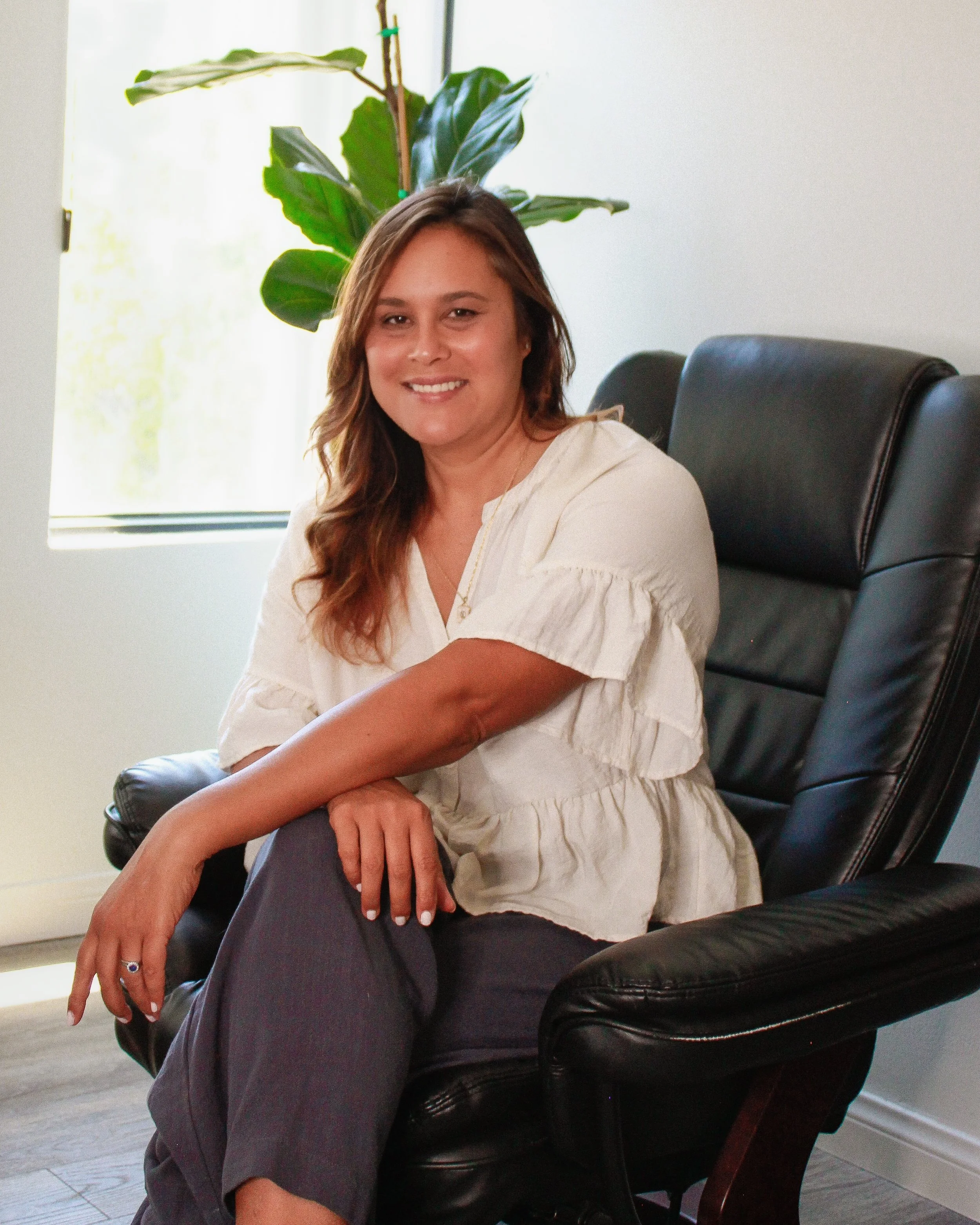
Rania Graetz, M.A., AMFT
With a multicultural background, Rania offers a warm, culturally sensitive space for teens, adults, and families navigating anxiety, depression, trauma, identity exploration, and life transitions. Drawing from psychodynamic, CBT, and family systems approaches, her trauma-informed and integrative style helps clients move through pain toward healing, authenticity, and empowerment.
